Kemkens operates across the Dutch provinces of Noord-Brabant, Zeeland, Limburg, and Utrecht, with multiple locations that each worked their own way. Ben Nederkoorn works in the quality and safety department and knows the old problem well. From the head office in Oss, there was little visibility into what was happening at the other sites. How far along were workplace inspections? How were quality issues being resolved? What happened after an accident? Checking in with HR only helped so much, since HR itself depended on what each location reported back.
"We noticed we were simply missing a lot of information. How do we tackle that in the best way?"
Kemkens chose SafetyFirst as a single, central platform where employees can report everything: quality issues, unsafe situations, near misses. Everything comes together in one place, with direct visibility per location and the ability to run reports on how a site is doing. SafetyFirst was rolled out at Kemkens about a year ago. Colleague Marije became the platform's champion, visiting each location to run toolbox talks and show the app in practice, with Ben joining where practical explanation was needed.
"We think the most important thing for building buy-in is explaining to people why we're doing this. And I think that's working really well so far. But it's an ongoing process. It never really stops."
A year in, Ben is careful not to draw firm conclusions about major changes, simply because there was no baseline to compare against. What is clear: the number of reports is well above what it used to be, and to him that makes sense. The barrier to filing a report is much lower now. Employees can submit a report straight from the app in under 30 seconds, where before they had to request a form from their supervisor and fill it in by hand. What's struck Ben most is how much more visibility he now has into the sheer variety of work environments he could never visit himself. Think floor openings and stairwell openings positioned too close to boilers, leaving technicians barely enough room to work safely.
"Now that they're taking photos and I can review them remotely, I can really see how varied it actually is."
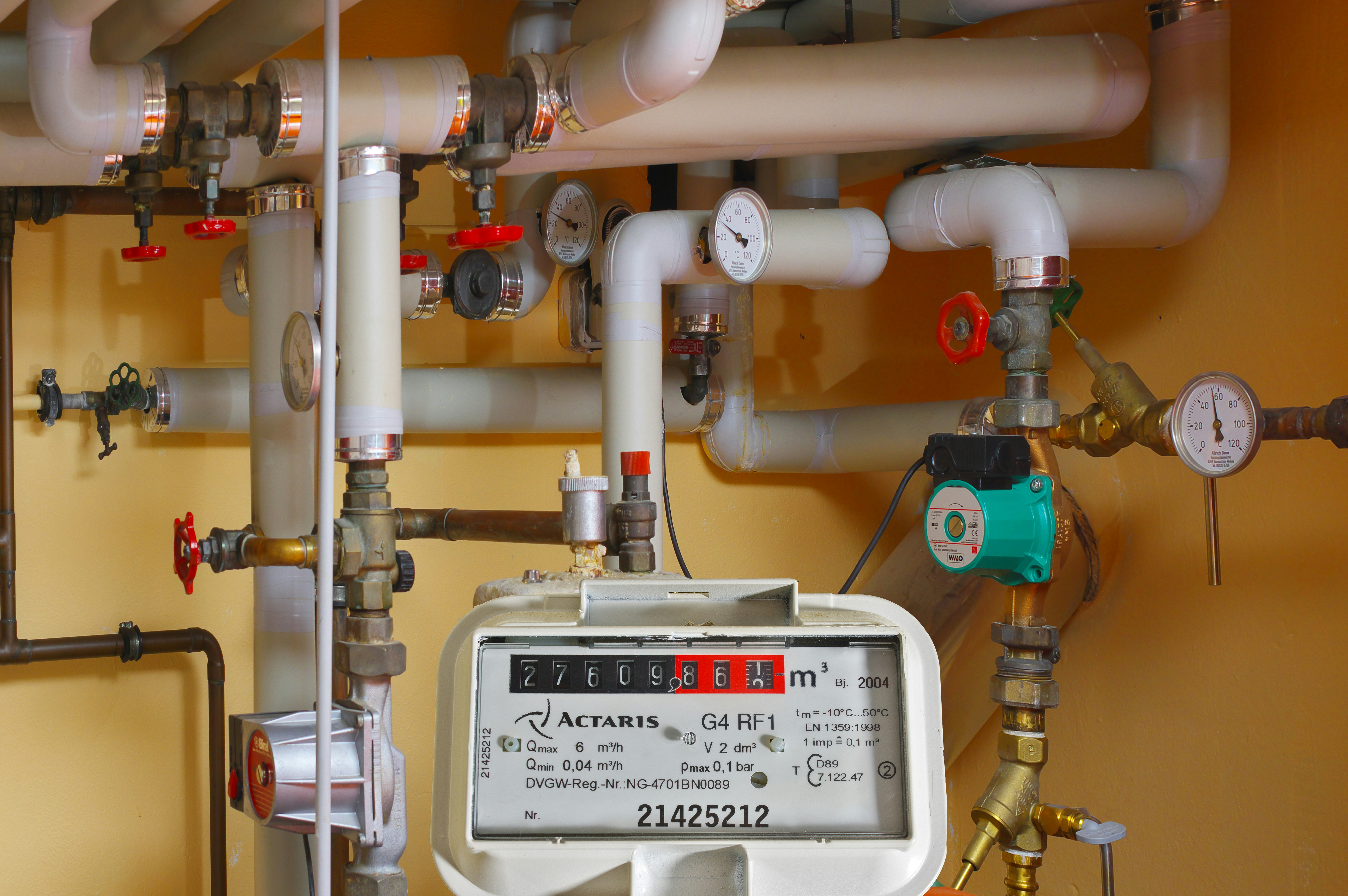
One concrete example: a combi boiler installed so close to a stairwell opening that a technician was left with barely 20 centimeters of clearance between the boiler and the opening. Without a report, an unsafe situation like that can go unnoticed for years, until someone finally raises it and the conversation with the resident becomes far harder than if it had been flagged right away.
As soon as a report like that comes in, Kemkens acts on it immediately. With a housing association, that means starting the conversation: the situation isn't safe enough to carry out maintenance, and that's a risk Kemkens won't ask its technicians to take on.
"Safety always comes first for us. We're not going to put our technicians' safety on the line. At the same time, a safe boiler is essential too, which is exactly why we ask people to report it: only then can we actually do something about it."
The platform has also changed how inspections work. In the past, each location had its own quality inspector, who was often also active as a technician. Ben typically only got visibility into quality issues or safety reports once or twice a year, during an internal audit. That's changed: from head office, he can now check every two weeks how things stand with the number of quality checks and workplace inspections that need to be completed.
Work has gotten easier for technicians too. Printing a workplace inspection form, filling it in, and mailing it back has been replaced by a form that's on their phone in 30 seconds, complete with photos and the option to create a task on the spot if something needs fixing.
"It's made communication a lot faster too. That's definitely an improvement over how it used to work."
Each location and department now has a designated person responsible for handling reports, with the quality and safety department acting as a safety net to support them when needed.
Advice for other organizations
For anyone facing a similar rollout, Ben's key takeaway is that buy-in doesn't come from imposing a new system. It comes from explaining why it's happening.
"This isn't about getting everything reported out of some need for control. It's about people understanding why we're doing this, and that stays a process you keep investing in."
Save Traffic Netherlands
Tjaden
Dura Vermeer
Movares
Hollandse Delta Water Board

Arcadis